Renters Rights Act: Compliance Checklist for Investors
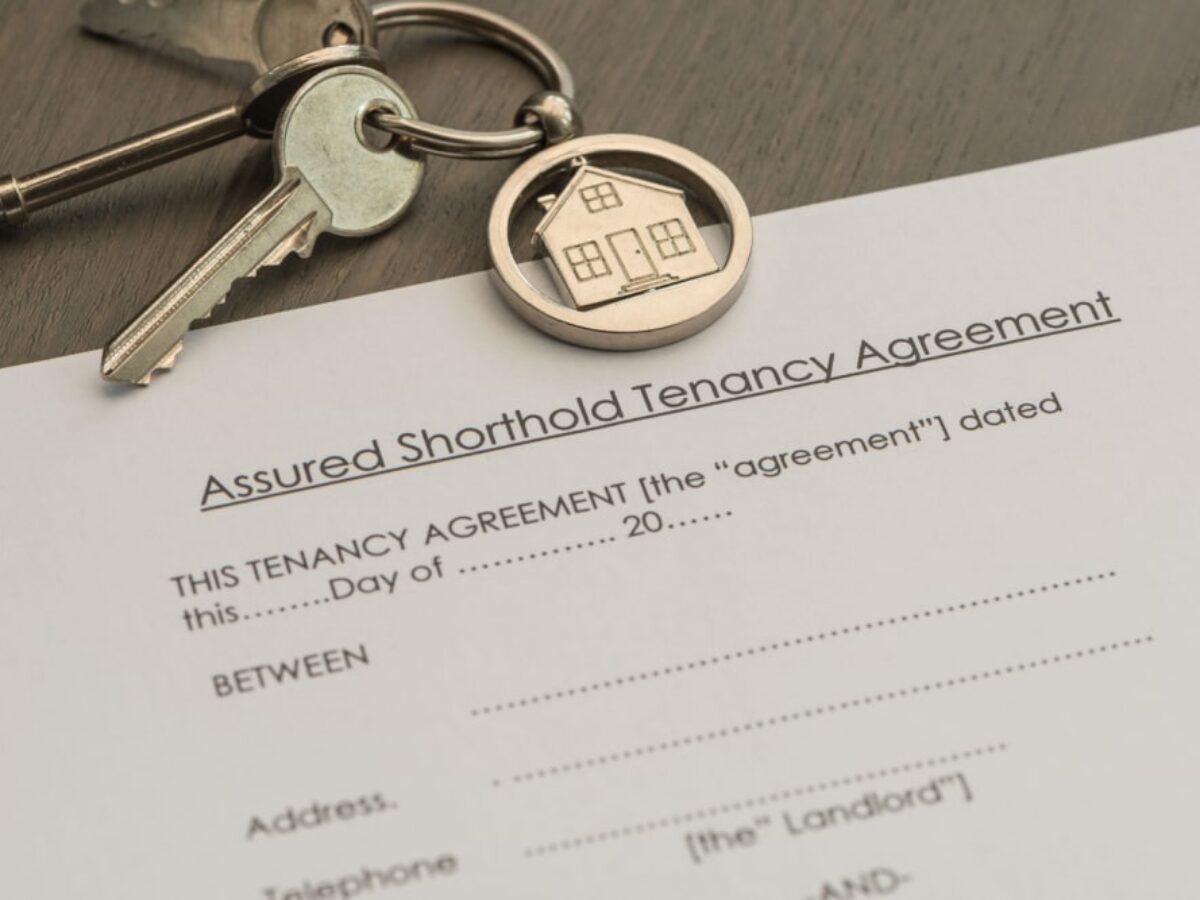
The Renters Rights Act comes into force on May 1, 2026, bringing significant changes to how landlords operate in the UK. For property investors, estate agents and developers, understanding and preparing for these changes now is essential. Non-compliance could result in fines up to £40,000 and damage to your investment portfolio. This guide walks you through the key requirements and provides a practical checklist to ensure you're ready.

Understanding the Key Changes

The most significant change is the abolition of Section 21 evictions, commonly known as no-fault evictions. From May 2026, landlords can no longer evict tenants simply because they want to end a tenancy. Instead, all evictions must be fault-based, meaning you'll need to prove a breach of the tenancy agreement or other grounds under Section 8 of the Housing Act 1988.

This shift has real implications for your portfolio management:

  • Eviction processes will take longer and require stronger evidence
  • Tenant screening becomes more critical to avoid problem tenancies
  • Exit strategies for properties need rethinking
  • Documentation of all tenant issues becomes essential

Property Standards and Maintenance Compliance

The Act introduces stricter standards for rental properties. Your properties must meet specific conditions:

  1. Gas safety certificates must be current and valid
  2. Electrical installations must be tested and certified
  3. Damp and mold prevention standards must be met
  4. Energy efficiency standards will be enforced
  5. All safety equipment must be properly maintained

Keep detailed records of all safety inspections, maintenance work and remedial actions. Councils now have powers to inspect properties and issue enforcement notices. Failure to comply can result in significant penalties.

Tenant Vetting and Screening

Stricter tenant vetting is now more important than ever. With no-fault evictions removed, selecting reliable tenants upfront protects your investment:

  • Conduct thorough financial checks and credit assessments
  • Verify employment and income (typically requiring 30 times the monthly rent)
  • Obtain references from previous landlords
  • Perform right to rent checks to ensure legal residency
  • Document all vetting procedures and results

Be careful to follow anti-discrimination laws throughout the vetting process. Treat all applicants equally and document your decision-making criteria clearly. Councils have enforcement powers to investigate discriminatory practices.

Tenancy Documentation and Transparency

Clear, comprehensive tenancy agreements are now more critical. Your documentation must include:

  • Written tenancy agreement with clear terms and conditions
  • Rent amount and payment schedule
  • Procedures for rent increases (typically limited to once per year)
  • Deposit protection details and prescribed information
  • Landlord and tenant contact information
  • Repair and maintenance responsibilities
  • Information about council enforcement rights

Transparency is key. Tenants must understand their rights and your obligations. Poor documentation can undermine your position if disputes arise.

Council Enforcement and Penalties

Local authorities now have significant enforcement powers. The government has allocated £40 million to councils to enforce the Act. Penalties for non-compliance include:

  • Fixed penalties up to £40,000 per breach
  • Prohibition from letting properties
  • Prosecution for serious breaches
  • Tenant compensation claims

Councils can inspect properties, review documentation and investigate complaints. Early preparation and compliance significantly reduces your risk of enforcement action.

Your Compliance Checklist

Use this checklist to prepare your portfolio:

  1. Review all current tenancy agreements and update as needed
  2. Arrange gas safety inspections and obtain current certificates
  3. Conduct electrical installation condition reports
  4. Inspect properties for damp and mold issues
  5. Check energy efficiency ratings and identify improvements
  6. Document all maintenance and repair work
  7. Establish tenant vetting procedures and documentation
  8. Create templates for tenant communication
  9. Review deposit protection arrangements
  10. Schedule quarterly compliance reviews
  11. Train any staff or agents on new requirements
  12. Consider professional indemnity insurance

Using software for Compliance Management

Managing compliance across multiple properties is complex. Software like Octopus Compliance or Plentific can help you stay on top of requirements:

  • Track property condition and maintenance schedules
  • Store and manage tenancy documentation
  • Set compliance deadline reminders for safety certificates and inspections
  • Document tenant vetting procedures and decisions
  • Maintain audit trails for all property-related activities
  • Generate compliance reports for council inspections
  • Monitor rent increase procedures and limits

Using dedicated software reduces the risk of missing deadlines and provides evidence of your compliance efforts if councils investigate.

Key Takeaways

The Renters Rights Act represents a significant shift in landlord responsibilities. Success requires:

  • Thorough preparation before May 2026
  • Strong tenant selection and vetting processes
  • Meticulous documentation of all compliance activities
  • Regular property inspections and maintenance
  • Clear communication with tenants about their rights
  • Systems to track and manage compliance requirements

The time to prepare is now. Review your portfolio, update your procedures and implement systems to track compliance. Property investors who prepare early will be better positioned to manage their portfolios effectively under the new rules.

Sign up to PropertyData for free

How PropertyData can help you

PropertyData investor illustration

Be a smarter property investor using data

Some of the ways property investors use PropertyData to boost their returns

I'm an investor
PropertyData data illustration

Make data-driven development decisions

How property developers can use market research in decision-making

I'm a developer
PropertyData clients illustration

Save time and impress your clients with data

How agents can use PropertyData to gain an edge on the competition

I'm an agent

Limit reached

Sorry, you've reached your monthly search limit.

Upgrade your plan for more searches.

Upgrade

Upgrade to download PDFs

There are many places in PropertyData to export data as well-formatted PDF files, including Local Data, Plot Map, Valuations, property reports and more.

  Download PDFs Branded PDFs
Basic
Standard
Pro
Unlimited
Start your free trial now

Transparent data promise

Where does the raw data come from?

Property listings seen on rightmove.co.uk, zoopla.co.uk and onthemarket.com.

How often is the data updated?

The data is updated in near real-time.

What time period does the data cover?

This is a real-time market snapshot - the data covers currently listed properties. Once properties are removed from the portal, they are soon removed from this tab.

How is the raw data processed?

Duplicates from multiple sources are matched and reconciled as far as possible. Listings with obvious errors, where price or number or bedrooms appear out of range, are discarded.

What are the statistics used?

Averages shown are the interquartile mean, a type of average that is insensitive to outliers while being its own distinct parameter. The 80% range means that 80% of the listed properties fall inside this range.

Where does the raw data come from?

Property listings seen on rightmove.co.uk, zoopla.co.uk and onthemarket.com.

How do you know the square footage of properties?

We use proprietary technology to read the square footage of properties from agent floorplans. Although we cannot determine the square footage for all properties, we can usually get sufficient coverage. Agents are sometimes known to inflate square footage, and this should be borne in mind as a weakness of this data.

How often is the data updated?

The data is updated in near real-time.

What time period does the data cover?

This is a real-time market snapshot - the data covers currently listed properties. Once properties are removed from the portal, they are soon removed from this tab.

How is the raw data processed?

Duplicates from multiple sources are matched and reconciled as far as possible. Listings with obvious errors, where price or number or bedrooms appear out of range, are discarded.

What are the statistics used?

The average shown is the interquartile mean, a type of average that is insensitive to outliers while being its own distinct parameter. The 80% range means that 80% of the listed properties fall inside this range.

Where does the raw data come from?

Property "price paid" data provided by the Land Registry.

How often is the data updated?

Once per month when released by the Land Registry, typically towards the end of each calendar month covering up to the end of the previous calendar month.

What time period does the data cover?

You can customise the time period using the filter at the top of the view. The default time period is up to 9 months back from today's date. The latest data covers the period up to 2026-03-31, although some sales that took place before this date may still be added in the coming months.

How is the raw data processed?

No additional processes are applied to this data.

What are the statistics used?

Averages shown are the interquartile mean, a type of average that is insensitive to outliers while being its own distinct parameter. The 80% range means that 80% of the listed properties fall inside this range.

Where does the raw data come from?

Property "price paid" data provided by the Land Registry, and Energy Performance Certificate (EPC) data provided by MHCLG.

How do you know the square footage of properties?

We match the Land Registry data to EPC data provided by MHCLG. Due to the fact that not all properties sold have had an EPC and vagaries of addressing in the UK, we are not able to determine the square footage of all properties, but we can usually get sufficient coverage.

How often is the data updated?

The private paid data is updated once per month when released by the Land Registry, typically towards the end of each calendar month covering up to the end of the previous calendar month. The energy performance certificate database is updated monthly.

What time period does the data cover?

You can customise the time period using the filter at the top of the view. The default time period is up to 9 months back from today's date. The latest data covers the period up to 2026-03-31, although some sales that took place before this date may still be added in the coming months.

How is the raw data processed?

No additional processes are applied to this data.

What are the statistics used?

The average shown is the interquartile mean, a type of average that is insensitive to outliers while being its own distinct parameter. The 80% range means that 80% of the listed properties fall inside this range.

Where does the raw data come from?

Property listings seen on rightmove.co.uk, zoopla.co.uk and onthemarket.com.

How often is the data updated?

The data is updated in near real-time.

What time period does the data cover?

This is a real-time market snapshot - the data covers currently listed properties. Once properties are removed from the portal, they are soon removed from this tab.

How is the raw data processed?

Duplicates from multiple sources are matched and reconciled as far as possible. Listings with obvious errors, where price or number or bedrooms appear out of range, are discarded.

What are the statistics used?

The average shown is the interquartile mean, a type of average that is insensitive to outliers while being its own distinct parameter. The 80% range means that 80% of the listed properties fall inside this range.

Where does the raw data come from?

Room let listings on SpareRoom, the UK's biggest room letting website.

How often is the data updated?

The data is updated in near real-time.

What time period does the data cover?

This is a real-time market snapshot - the data covers currently listed properties. Once properties are removed from SpareRoom, they are soon removed from this tab.

How is the raw data processed?

Listings with obvious errors, where price or number or bedrooms appear out of range, are discarded.

What are the statistics used?

The average shown is the interquartile mean, a type of average that is insensitive to outliers while being its own distinct parameter. The 80% range means that 80% of the listed properties fall inside this range.

Where does the raw data come from?

Property listings seen on rightmove.co.uk, zoopla.co.uk and onthemarket.com.

How often is the data updated?

The data is updated in near real-time.

What time period does the data cover?

This is a real-time market snapshot - the data covers currently listed properties. Once properties are removed from the portal, they are soon removed from this tab.

How is the raw data processed?

Duplicates from multiple sources are matched and reconciled as far as possible. Listings with obvious errors, where price or number or bedrooms appear out of range, are discarded. Yields are calculated by comparing only properties with the same number of bedrooms, e.g. 3-bedroom properties for rent with 3-bedroom properties for sale.

What is the yield calculation used?

The calculation used is (average_weekly_asking_rent * 52 / average_asking_price), expressed as a percentage. It is a top-line gross yield, meaning no expenses are considered.

What are the statistics used?

The average shown is the interquartile mean, a type of average that is insensitive to outliers while being its own distinct parameter. The 80% range means that 80% of the listed properties fall inside this range.

Where does the raw data come from?

Property listings seen on rightmove.co.uk, zoopla.co.uk and onthemarket.com.

How often is the data updated?

The data is updated in near real-time.

What time period does the data cover?

This is a real-time market snapshot - the data covers currently listed properties. Once properties are removed from Zoopla, Rightmove or Spareroom, they are soon removed from this tab.

How is the raw data processed?

Duplicates from multiple sources are matched and reconciled as far as possible. Yields are calculated by comparing only properties with the same number of bedrooms, e.g. 3-bedroom properties for rent with 3-bedroom properties for sale. For the SpareRoom data, hypothetical properties consisting of two to six average double rooms with shared bathrooms are used to derived average rent. For all sources, listings with obvious errors, where price or number or bedrooms appear out of range, are discarded.

What is the yield calculation used?

The calculation used is (average_weekly_asking_rent * 52 / average_asking_price), expressed as a percentage. It is a top-line gross yield, meaning no expenses are considered.

What are the statistics used?

The average shown is the interquartile mean, a type of average that is insensitive to outliers while being its own distinct parameter. The 80% range means that 80% of the listed properties fall inside this range.

Where does the raw data come from?

Property "price paid" data provided by the Land Registry.

How often is the data updated?

Once per month when released by the Land Registry, typically towards the end of each calendar month covering up to the end of the previous calendar month.

Zoopla Zed-index

What time period does the data cover?

The data covers transactions in the last six years

How is the raw data processed?

No additional processes are applied to this data.

What are the statistics used?

The average shown is the interquartile mean, a type of average that is insensitive to outliers while being its own distinct parameter. The 80% range means that 80% of the listed properties fall inside this range.

Where does the raw data come from?

Property listings seen on rightmove.co.uk, zoopla.co.uk and onthemarket.com.

How often is the data updated?

The listings data is updated in near real-time. The Land Registry data is updated once per month when released, typically towards the end of each calendar month covering up to the end of the previous calendar month.

What time period does the data cover?

The price paid data shown goes back to January 2015. The listings data is a real-time market snapshot - the data covers currently listed properties. Once properties are removed from the portal, they are soon removed from this tab.

How is the raw data processed?

Duplicates from multiple sources are matched and reconciled as far as possible. Listings with obvious errors, where price or number or bedrooms appear out of range, are discarded.

What are the calculations used?

Average sales per month are for the last 3 finalised months. Turnover is average sales per month divided by total for sale. Inventory is 100 divided by turnover.

Where does the raw data come from?

Property listings seen on rightmove.co.uk, zoopla.co.uk and onthemarket.com.

How often is the data updated?

The listings data is updated in near real-time. The Land Registry data is updated once per month when released, typically towards the end of each calendar month covering up to the end of the previous calendar month.

What time period does the data cover?

This is a real-time market snapshot - the data covers currently listed properties. Once properties are removed from the portal, they are soon removed from this tab.

How is the raw data processed?

Duplicates from multiple sources are matched and reconciled as far as possible. Listings with obvious errors, where price or number or bedrooms appear out of range, are discarded.

Where does the raw data come from?

We receive data on the extent and corporate ownership of all land titles in England & Wales from the Land Registry.

How often is the data updated?

The data is updated once per month when released, typically in the first few days of each calendar month.

What time period does the data cover?

This is an ownership snapshot - the data represents ownership as recorded by the Land Registry at the last monthly export.

How is the raw data processed?

No additional processes are applied to this data.

Where does the raw data come from?

We source different expert forecasts Savills, Knight Frank, OBR

How often is the data updated?

The data is updated annually when new forecasts are released, typically towards the beginning of the year.

How is the raw data processed?

We calculate a consensus forecast using a simple mean average.

Where does the raw data come from?

Quoting rent data is a proprietary data set based on the 2026 Valuation Office Agency (VOA) rateable values, combined with floor area data from MHCLG, adjusted for current market conditions.

What does "Quoting Rent" mean?

Quoting Rent reflects the estimated headline rent a property would achieve, based on official valuations adjusted for current conditions. This is the "face value" rent before any incentives such as rent-free periods, stepped rents or capital contributions are taken into account.

How is the floor area determined?

Floor areas are derived from MCHLG data. We use NIA (Net Internal Area) for retail, offices and leisure; GIA (Gross Internal Area) for industrial.

How often is the data updated?

The VOA data is based on the 2026 rating list, which is turn is based on 2024 comparables. This will be updated when a newer rating list is available. MCHLG data is updated regularly as new certificates are issued.

How is the raw data processed?

Multiple data sources are matched and reconciled. Properties are grouped by type, and outliers are excluded from averages.

What are the statistics used?

Averages shown are the interquartile mean, a type of average that is insensitive to outliers while being its own distinct parameter.

Where does the raw data come from?

This tab combines data from multiple sources. The bedroom distribution comes from property listings on rightmove.co.uk, zoopla.co.uk and onthemarket.com. Internal area and energy scores come from Energy Performance Certificate (EPC) data provided by MHCLG. Property type data comes from the Office for National Statistics Census.

How often is the data updated?

The bedroom distribution from listings is updated in near real-time. The EPC data is updated monthly. The Census data is updated when new census results are released.

What time period does the data cover?

The bedroom distribution is a real-time market snapshot of currently listed properties. The EPC data covers certificates issued since the scheme began. The Census data is from the most recent census.

How is the raw data processed?

For listings data, duplicates from multiple sources are matched and reconciled. Listings with obvious errors are discarded. EPC and Census data is aggregated to the selected area.

Where does the raw data come from?

Tenure type and occupancy data comes from the Office for National Statistics Census.

How often is the data updated?

The data is updated when new census results are released, typically every 10 years.

What time period does the data cover?

The data is from the most recent census.

How is the raw data processed?

Census data is aggregated to the selected area. National averages are provided for comparison.

Where does the raw data come from?

Property listings seen on rightmove.co.uk and onthemarket.com.

How often is the data updated?

The data is updated in near real-time.

What time period does the data cover?

This is a real-time market snapshot - the data covers currently listed properties. Once properties are removed from the portal, they are soon removed from this tab.

How is the raw data processed?

Agent names are normalised across sources. Listings are grouped by agent and ranked by number of live listings.

Where does the raw data come from?

Property listings seen on rightmove.co.uk and onthemarket.com.

How often is the data updated?

The data is updated in near real-time.

What time period does the data cover?

This is a real-time market snapshot - the data covers currently listed properties. Once properties are removed from the portal, they are soon removed from this tab.

How is the raw data processed?

Agent names are normalised across sources. Listings are grouped by agent and ranked by number of live listings.

Total Floor Area (TFA)

Total Floor Area is a measurement defined by MHCLG (Ministry of Housing, Communities and Local Government).

TFA includes all habitable rooms, kitchens, bathrooms, internal corridors, hallways, and built-in storage.

TFA excludes garages, external stores, and unheated conservatories.

Estimated value

This figure is our best estimate of the current value of this property.

It is calculated using the most recent transaction and the most recent internal area figures, combined with local market data and price indices.

Estimate confidence

The confidence level indicates how reliable our estimated value is likely to be for this property.

High

The property has sold recently, so the estimate is based on a known sale price adjusted for current market conditions.

Medium

The property has not sold recently, so the estimate relies more heavily on comparable local data and may be less precise.

Habitable rooms

Habitable rooms include any living room, sitting room, dining room, bedroom, study and similar; and also a non-separated conservatory. A kitchen/diner having a discrete seating area (with space for a table and four chairs) also counts as a habitable room.

A non-separated conservatory adds to the habitable room count if it has an internal quality door between it and the dwelling.

Excluded from the room count are any room used solely as a kitchen, utility room, bathroom, cloakroom, en-suite accommodation and similar and any hallway, stairs or landing; and also any room not having a window.

Full address

Copy to clipboard